
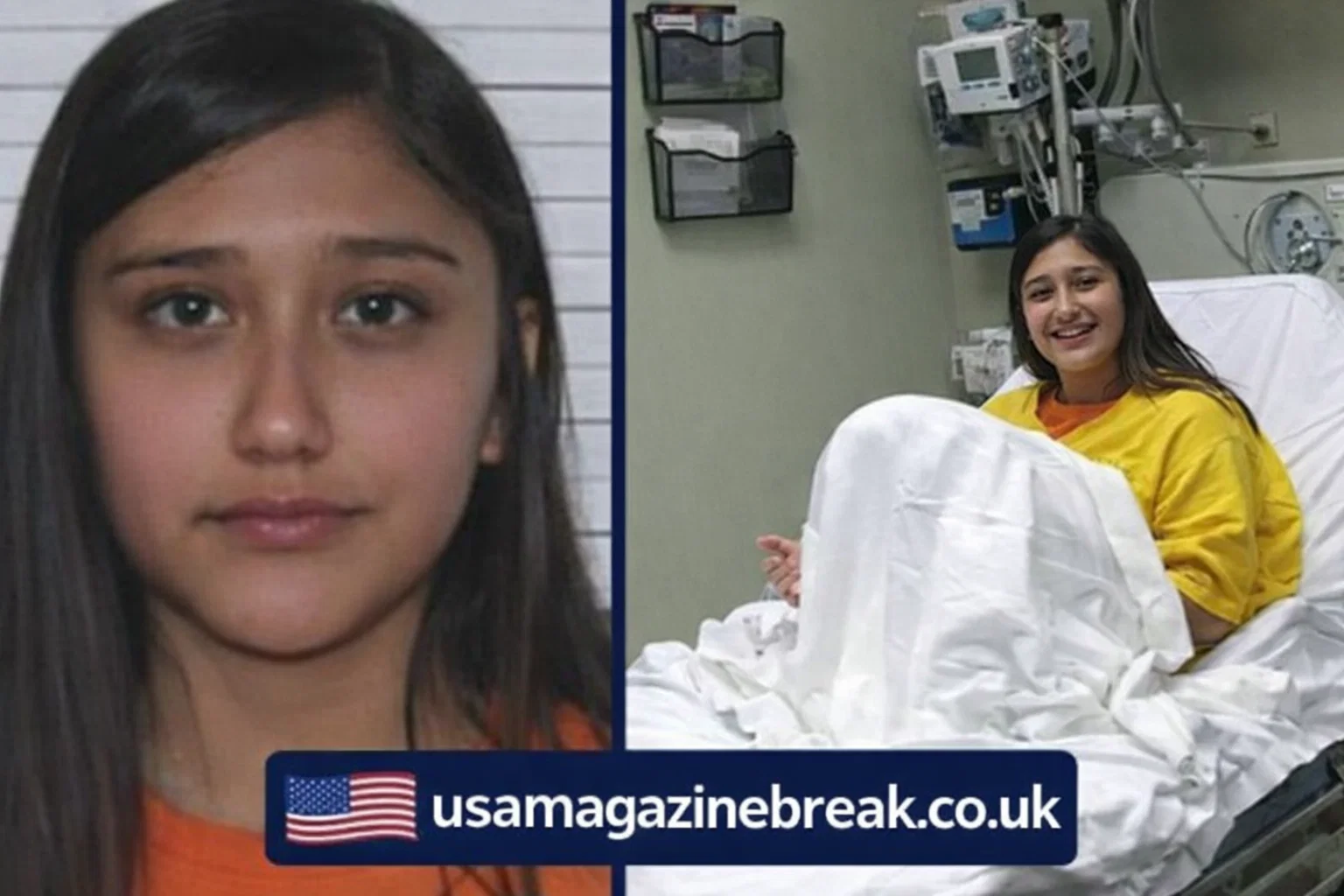
Introduction: A Case That Shocked a Community
The story of Alexee Trevizo became a national headline when the tragic discovery of a newborn baby death at Artesia General Hospital brought attention to the complexities of the criminal justice system, medical ethics, and societal expectations surrounding teen pregnancy. What began as a routine hospital visit turned into a legal nightmare when staff found a discarded infant in a hospital bathroom trash bin. The case immediately raised questions about hospital protocols, the responsibility of minors, and the broader societal understanding of birth concealment behavior. From the initial discovery to ongoing legal proceedings, the events surrounding Alexee Trevizo illustrate the intricate interplay between personal accountability, legal defenses, and public scrutiny in a small New Mexico community. Authorities, medical professionals, and legal experts alike have weighed in, creating a complex narrative that blends elements of alleged crime, forensic analysis, and social reaction while keeping the tragic outcome at the center of attention.
Quick bio table for Alexee Trevizo:
| Attribute | Details |
|---|---|
| Full Name | Alexee Trevizo |
| Age at Incident | Teenager (exact age not publicly specified) |
| Location | Artesia, New Mexico, USA |
| Incident Date | January 27, 2023 |
| Medical Facility | Artesia General Hospital |
| Medical Complaint | Back pain prior to labor |
| Pregnancy Awareness | Denied awareness of pregnancy before labor |
| Incident Details | Gave birth alone in a hospital bathroom; newborn found deceased in trash bin |
| Cause of Infant Death | Asphyxia (confirmed live birth) |
| Criminal Charges | First-degree murder, tampering with evidence |
| Civil Action | Wrongful death lawsuit against Artesia General Hospital |
| Legal Proceedings | Criminal trial pending, evidence suppression, New Mexico Supreme Court appeal |
| Defense Claims | Denial of pregnancy, labor without awareness, claims of ignorance, doctor-patient privilege |
| Evidence Issues | Police body-cam footage, hospital statements under review for admissibility |
| Community Reaction | Public outrage, emotional debate, online petitions questioning school enrollment and accountability |
| Education | Enrolled at New Mexico State University; attendance and enrollment challenged during trial |
| Background | Cheerleader, academic and social activities impacted by legal proceedings |
| Media Coverage | National attention, social media discussions, coverage intensity heightened scrutiny |
| Trial Status | Postponed due to ongoing appeal, legal uncertainty continues |
| Ethical & Legal Questions | Hospital negligence, patient privacy laws (HIPAA), constitutional rights, birth concealment behavior |
| Public Debate Topics | Teen pregnancy, child abuse allegations, hospital responsibility, legal and ethical dilemmas |
Emergency Visit and Unexpected Birth
On January 27, 2023, Trevizo, a teenager at the time, visited Artesia General Hospital complaining of back pain and discomfort. Initially, hospital staff conducted routine examinations without suspecting the presence of pregnancy, as she had previously denied any awareness of being pregnant. During these examinations, it became apparent that she was not only pregnant but also in advanced labor, a revelation that immediately escalated the urgency of her medical evaluation. Despite the medical team’s efforts to intervene, Trevizo left her assigned area and entered a hospital bathroom alone. Within that bathroom, she gave birth to a baby without immediate assistance, creating a situation that would lead to tragic consequences. The sudden and unassisted birth, coupled with the teen’s prior denial of pregnancy, set the stage for a complex case involving potential first-degree murder charges and a subsequent criminal trial. Medical staff later had to reconcile the unusual circumstances of a hospital birth occurring outside supervised care with their obligations to report any suspected child abuse or neglect under state law.
Discovery of the Infant
Hospital cleaning staff discovered the infant shortly after the birth, concealed in a trash bin and wrapped in hospital waste. The baby was found lifeless, sparking immediate concern and a call to local authorities. Forensic experts confirmed that the newborn had been alive at birth, a determination based on autopsy findings that indicated signs of respiration and other physical markers consistent with live birth. The initial discovery prompted an investigation into the teen’s behavior, the circumstances leading to the concealed birth, and whether negligence or deliberate concealment had contributed to the fatal outcome. This moment marked the beginning of an extensive public and legal examination, encompassing alleged crime, forensic investigation, and hospital response protocols. It also led to a widespread emotional debate, with community members reacting strongly to the tragic circumstances and questioning how such an event could occur in a hospital setting, a place intended for care and safety.
Charges and Initial Arrest
Following the discovery, Trevizo was charged with first-degree murder and tampering with evidence. Authorities alleged that she had intentionally concealed and discarded the infant after birth, constituting an alleged crime with serious legal ramifications. The local police framed the investigation as a case involving child abuse allegations and fatal infant outcome, requiring a meticulous review of medical records, witness statements, and physical evidence. Legal experts noted that the charges reflected both the severity of the infant’s death and the potential impact of actions taken immediately following the birth. These charges also triggered a detailed procedural process under the New Mexico legal system, with implications for jury trials, bond hearings, and potential appellate reviews. Public reaction to the arrest varied widely, with some community members expressing outrage at the perceived concealment of birth and others urging consideration of the unique circumstances surrounding teen pregnancy and medical emergencies.
Autopsy and Forensic Analysis
The autopsy of the infant revealed that the newborn had been alive at the time of birth, and the cause of death was determined to be asphyxia. Forensic analysis played a pivotal role in confirming live birth and evaluating the sequence of events leading to the fatal outcome. These findings were central to shaping the prosecution’s legal strategy, as establishing that the baby had been born alive and subsequently discarded was crucial to meeting the criteria for first-degree murder. Additionally, forensic experts examined the circumstances surrounding the bathroom birth, evaluating whether the medical environment and emergency protocols could have prevented the infant’s death. This phase of the investigation introduced discussions about hospital negligence, patient safety, and the legal responsibilities of medical staff in cases where teen patients may conceal pregnancies. The detailed findings provided a foundation for understanding both the medical and legal context of the case, framing subsequent court proceedings and influencing public debate.
Defense’s Claims and Legal Contentions
Trevizo’s defense centered on claims of ignorance and lack of intent, emphasizing that she had been unaware of her pregnancy prior to the onset of labor. Her legal team argued that the infant was either stillborn or that Trevizo’s actions were influenced by panic and confusion in an extraordinary situation. Key aspects of the defense involved challenging the admissibility of statements made to hospital personnel, invoking doctor-patient privilege and protections under patient privacy law, including HIPAA implications. The defense also raised questions regarding potential violations of Miranda rights during police questioning and the subsequent handling of body-cam footage. These legal contentions highlighted the procedural complexities of the case, raising debates about constitutional rights defense and suppression of statements. The defense strategy aimed not only to mitigate criminal responsibility but also to ensure that procedural fairness was maintained throughout ongoing court proceedings, including potential appeals and trial delays.
Suppression of Key Evidence
A district court subsequently ruled that certain statements made by Trevizo to medical staff and police body-cam footage could be suppressed from trial. This ruling, citing patient privacy and constitutional rights protections, significantly altered the landscape of the criminal trial. The suppression of evidence sparked discussion about the balance between law enforcement needs and medical confidentiality, highlighting the tension between public safety and individual legal protections. Prosecution teams argued that the evidence was critical to establishing intent and corroborating the timeline of events, while defense teams emphasized that the improper collection or admissibility of these materials would violate fundamental rights. The suppression ruling also contributed to trial postponement and increased uncertainty regarding how evidence might ultimately shape the jury trial and the New Mexico Supreme Court appeal process. Legal experts have noted that such developments are not uncommon in cases involving teen defendants and sensitive medical information, yet they have profound implications for case outcomes and public perception.
Appeals and Supreme Court Review
Following the suppression ruling, prosecutors appealed the decision to the New Mexico Supreme Court. The appeal sought to overturn limitations on evidence use, arguing that statements and recordings should be admissible due to their relevance in establishing a clear factual timeline. Defense attorneys countered that the protections afforded by constitutional rights defense and doctor-patient privilege must be upheld, highlighting ongoing debates about legal strategy and procedural compliance. The appellate process introduced additional complexity, as court decisions could affect the admissibility of key evidence, trial scheduling, and the scope of legal arguments available to both sides. Community reaction to the appeal was mixed, with some expressing concern about legal uncertainty and potential delays, while others emphasized the importance of protecting individual rights and ensuring that any verdict reflects careful judicial consideration rather than public sentiment. The appellate review underscores how the interplay between procedural law and substantive evidence can significantly influence high-profile criminal cases.
Trial Delay and Legal Limbo
Due to ongoing appeals and disputes over evidence, the criminal trial has been postponed multiple times, leaving the case in a state of legal limbo. These delays have fueled public discussion, with debates surrounding the appropriate pace of judicial proceedings, the impact on the accused’s education and daily life, and the broader community implications of unresolved high-profile cases. The trial delay has also allowed legal teams to refine their strategies, reassess potential witnesses, and gather additional expert testimony. In parallel, prosecutors have emphasized the need to maintain the integrity of the case while ensuring that procedural safeguards are respected. Defense attorneys continue to advocate for timely adjudication, stressing the emotional and social toll of prolonged legal uncertainty. The ongoing limbo reflects the complexities of navigating criminal proceedings that involve sensitive evidence, teen defendants, and emotionally charged public scrutiny.
Public Reaction and Online Petition
The case attracted widespread attention on social media, igniting public outrage and emotional debate. A prominent online petition sought to challenge Trevizo’s enrollment at New Mexico State University while on bond, reflecting concerns about community standards and academic access for individuals facing serious felony charges. Supporters of the petition argued that those charged with violent crimes should not continue public academic engagement during pending legal proceedings, while defense advocates countered that such measures could constitute prejudgment and further complicate the defendant’s rights. Media coverage intensity amplified these debates, with news outlets reporting on both legal arguments and community sentiment. The interplay between social media reactions and courtroom developments illustrates the modern challenges of high-profile legal cases, where public opinion and legal strategy often intersect in complex and unpredictable ways.
Hospital Negligence Debate
In addition to the criminal case, alexee trevizo filed a civil wrongful death lawsuit against Artesia General Hospital, citing potential negligence in the handling of her emergency room visit and labor. Her attorneys argued that hospital staff failed to detect or respond appropriately to her condition, resulting in a fatal infant outcome. The lawsuit also raised issues regarding patient privacy law, HIPAA implications, and whether medical staff followed proper protocols in monitoring and assisting patients in labor. This civil action layered additional complexity onto an already intricate legal scenario, highlighting broader ethical and procedural questions about hospital responsibilities and patient safety. Legal experts and commentators have used this aspect of the case to explore systemic issues in healthcare oversight, emergency response, and the intersection of medical care with criminal accountability.
Social Media and Trial Dynamics
Coverage of the case expanded rapidly on social media platforms, prompting discussions about teen pregnancy, birth concealment behavior, and public accountability. Videos, police statements, and news reports circulated widely, increasing scrutiny of both Trevizo and hospital staff. Media coverage intensity contributed to challenges in maintaining impartiality for potential jurors, raising questions about pretrial publicity and the effects of social pressure on judicial processes. Public discourse surrounding the case emphasized emotional reactions, with some community members expressing compassion and understanding, while others focused on punitive measures and the need for legal accountability. The interplay of social media and trial dynamics illustrates the modern context in which criminal cases unfold, where community sentiment can shape perceptions even before courtroom arguments are presented.
Factors Under Legal Consideration
Several key factors are under consideration in evaluating the case. The admissibility of suppressed evidence, including statements to medical staff and police body-cam footage, remains a central question. Legal scholars and commentators also emphasize the importance of understanding constitutional rights defense, the protection of doctor-patient communications, and the implications of potential violations on case outcomes. The prosecution’s efforts focus on establishing intent and a clear timeline, while the defense highlights claims of ignorance and procedural protections. These overlapping issues underscore the procedural intricacies of the New Mexico legal system, where ongoing appellate review, trial delays, and debates over evidence suppression contribute to a highly nuanced legal environment that demands careful analysis by all parties involved.
Community and Emotional Impact
The emotional toll on the local community has been significant, with residents grappling with grief, shock, and debates about societal responsibility. Questions about teen pregnancy, birth concealment behavior, and hospital oversight have been central to public discourse. Community reaction has been amplified by media coverage, online petitions, and social media discussions, creating a climate in which opinions are highly polarized. Emotional public debate has ranged from expressions of empathy for a teen in crisis to condemnation of her actions, reflecting broader societal tensions about the responsibilities of individuals, institutions, and legal systems in cases of tragic outcomes. The community impact extends to families, schools, and local organizations, highlighting the far-reaching consequences of a single, high-profile legal case.
Broader Legal and Ethical Questions
The Alexee Trevizo case raises broader questions about the interplay between emergency room protocols, privacy laws, constitutional rights, and medical ethics. Legal debates include the extent to which hospital personnel can intervene when a patient conceals pregnancy, the obligations of law enforcement in securing evidence, and the ethical responsibilities of attorneys in balancing defense rights with public accountability. These issues extend beyond the specifics of the case, providing a lens through which to examine systemic gaps in healthcare and legal processes. The case also underscores challenges in adjudicating incidents involving minors, emotional distress, and sensitive medical circumstances, highlighting the complex ethical and legal terrain that defines modern criminal and civil proceedings.
What Comes Next
The next steps in the Alexee Trevizo case hinge on the outcome of the New Mexico Supreme Court appeal. The court’s decisions on evidence admissibility will directly influence the criminal trial, shaping both prosecution and defense strategies. Jury selection, trial proceedings, and potential verdicts will follow, with all parties preparing to navigate a high-profile case that has drawn national attention. Ongoing case developments are closely monitored by legal analysts, media outlets, and community members, reflecting widespread interest in how procedural and substantive legal issues converge. As the trial unfolds, the interplay of public scrutiny, legal strategy, and medical ethics will continue to shape the narrative surrounding this tragic and complex case.
Conclusion
The Alexee Trevizo case represents a convergence of criminal law, medical ethics, teen pregnancy, and community reaction. From an emergency hospital visit for a back pain complaint to the discovery of a discarded newborn, the situation has evolved into one of the most controversial legal proceedings in New Mexico history. With first-degree murder charges at the center, suppression rulings, wrongful death lawsuits, and ongoing appellate reviews, the case demonstrates how procedural law, forensic evidence, and public opinion intersect in complex ways. Beyond the immediate legal ramifications, the story highlights systemic questions about hospital oversight, patient privacy, and societal responses to tragic outcomes. The community, legal experts, and the public continue to follow the case closely, reflecting a shared interest in understanding accountability, justice, and the human impact of extraordinary circumstances.
FAQs
1. What charges does Alexee Trevizo face?
Alexee Trevizo faces first-degree murder and tampering with evidence charges in connection with her newborn baby’s death, alongside potential additional legal consequences if other charges are pursued.
2. Why has her trial been delayed?
The trial has been postponed due to ongoing appeals concerning the admissibility of key evidence, including hospital statements and police body-cam footage, creating legal uncertainty.
3. How does doctor-patient privilege affect the case?
Defense lawyers argue that Trevizo’s communications with medical staff are protected under confidentiality laws and HIPAA, which could prevent certain statements from being admitted as evidence.
4. What is the wrongful death lawsuit about?
Alexee Trevizo filed a civil suit against Artesia General Hospital, alleging negligence in handling her emergency visit, failure to follow proper protocols, and violations of patient privacy that contributed to the infant’s death.
5. How has the public been involved in the case?
Online petitions, media coverage, and social media discussions have shaped public perception, focusing on education access, accountability, and community standards while the case proceeds.
